

Melbourne's Trusted Specialists
Blocked sink, shower, toilet or stormwater? We clear drains, identify causes, and help prevent repeat blockages.
Clear communication, tidy work, and licensed plumbing done properly. For urgent issues, we prioritise same-day attendance where possible.
We identify the likely cause (fat, roots, buildup) and recommend the right fix.
We clear the blockage safely and restore normal flow.
Practical steps to reduce repeat blockages.
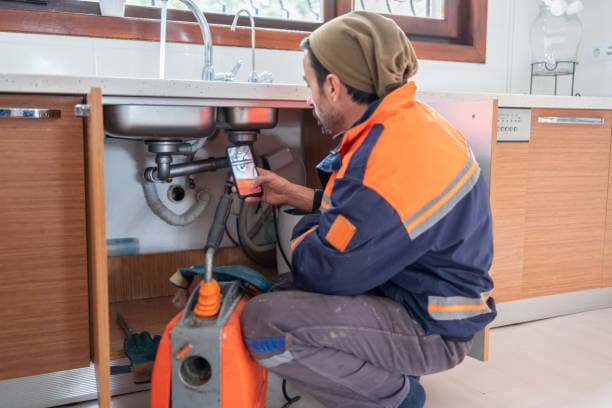
A gradual slow-down in drainage is the earliest sign of a developing blockage. You may notice water pooling around your feet in the shower or taking minutes to empty from the kitchen sink. This usually indicates a partial obstruction — grease buildup, soap scum, or hair accumulating inside the pipe — that will worsen if left untreated.
Gurgling or bubbling noises when water drains — or when a nearby fixture is used — indicate trapped air being displaced by water trying to pass a blockage. If your toilet gurgles when you run the bathroom sink, the obstruction is likely in a shared waste line further downstream.
Persistent bad smells from floor drains, sink plugholes, or outdoor gully traps suggest organic matter is decomposing inside the pipe. Food waste, grease, and sewage trapped behind a blockage produce hydrogen sulphide gas — the characteristic ‘rotten egg’ smell that indicates the drain needs clearing.
When flushing a toilet causes water to rise in the shower, or running the washing machine sends water out through the laundry floor drain, you have a blockage in a shared sewer line. This cross-contamination between fixtures is a clear sign of a serious obstruction that needs prompt professional attention.
If the gully trap outside your home (the small grated drain near the kitchen or laundry) is overflowing with wastewater, the blockage is in the underground sewer line between your house and the main sewer. This requires professional equipment — typically a drain machine or high-pressure water jetter — to clear.
Call or submit the form. We’ll ask a couple of questions to diagnose the issue and urgency.
Where possible we provide clear pricing before starting work (no surprise bills).
We complete the work, test operation, and leave the site clean.
We focus on high-intent, everyday plumbing problems for homes and small businesses across Melbourne.
Fast repairs for leaks, blockages, hot water failures, and urgent plumbing issues.
Reliable attendance, documentation, and practical repairs tenants can live with.
Fixes that minimise downtime: toilets, taps, drainage, and urgent faults.
Tree roots are the most common cause of blocked drains in Melbourne. Roots seek moisture and nutrients, penetrating even small cracks or displaced joints in clay, PVC, and earthenware pipes. Once inside, they form a dense root mass that catches debris and progressively blocks the pipe. Older suburbs with established trees and original clay drains are especially susceptible.
Cooking fats poured down the kitchen sink solidify as they cool, coating the inside of pipes and gradually narrowing the bore. Over months and years, this grease layer traps food particles and other debris, creating stubborn blockages that household drain cleaners rarely resolve. Commercial kitchens and share-houses are particularly prone.
Wet wipes (including those labelled ‘flushable’), sanitary products, cotton buds, nappies, and excessive toilet paper are frequent culprits in blocked sewer lines. These items don’t break down in water the way toilet paper does and can snag on pipe joints or existing buildup, creating a blockage that requires mechanical clearing.
Ground movement from Melbourne’s reactive clay soils, age-related deterioration, or damage from construction can crack, collapse, or displace underground drain pipes. A broken pipe creates a rough surface that catches debris and restricts flow. In severe cases, the pipe collapses entirely and must be replaced or relined.
In bathrooms, hair combines with soap residue to form dense clumps that lodge in the drain trap and waste pipe. Over time, these clumps grow and harden, significantly reducing water flow. Showers and bathtub drains are most affected, especially in households with multiple occupants or long-haired residents.
Qualified trades, compliant work, and peace of mind.
We prioritise emergencies and aim for same-day attendance.
Clear communication on cost and scope before we proceed.
We focus on durable fixes, not bandaids.
Inexpensive mesh or silicone drain strainers catch hair, food scraps, and debris before they enter the pipe. Clean them after each use. This single habit prevents the majority of household drain blockages and costs almost nothing compared to a plumber call-out.
Let cooking fats cool and solidify, then scrape them into the bin. Wipe greasy pans with paper towel before washing. For large volumes of oil (e.g. from a deep fryer), pour into a sealed container and dispose of it at your local recycling centre. Even small amounts of grease accumulate over time.
Toilets are designed for human waste and toilet paper only. Wet wipes, cotton pads, sanitary items, and dental floss should always go in the bin. Even products marketed as ‘flushable’ can contribute to blockages, particularly in older plumbing systems with narrower pipes or displaced joints.
Know where your underground sewer and stormwater lines run and avoid planting large trees directly above or beside them. If established trees are already near your drains, consider a periodic CCTV drain inspection (every 2–3 years) to detect root intrusion early, before it causes a full blockage.
For properties with a history of blockages — or those with older clay or earthenware drains — a scheduled maintenance clear every 12–24 months can prevent emergency call-outs. A plumber can jet the line to remove early-stage buildup and inspect pipe condition before problems develop.
Don't just take our word for it – hear from local homeowners we've helped.
"I recently hired Chambers Plumbing for a serious leak repair from first contact to job completion, their service was outstanding. Their team showed up promptly, treated my home with respect, explained what was wrong in simple terms, and completed the work with precision and care. The cost was fair, and the results exceeded my expectations. I highly recommend Chambers Plumbing to anyone seeking professional, reliable, and trustworthy plumbing services."
Amarion Z.
"Ray and the team at Chambers Plumbing were fantastic to deal with. They were professional, punctual, and explained everything clearly before starting the work. The job was completed quickly and to a very high standard, and the whole process was smooth from start to finish. It’s great to have a reliable local plumber you can trust. Highly recommended."
Roger B.
"I would like to thank the team from Chambers Plumbing for their excellent services. Staff were not only cheerful and polite, but punctual, highly professional and extremely courteous and helpful in explaining what was required. Services were very prompt and efficient, and I was very pleased and impressed with the level of professionalism they displayed. Would not hesitate to recommend Chambers Plumbing to anyone - thanks again guys!"
Olivia C.
* Names have been abbreviated to protect customer privacy. Testimonials reflect genuine customer experiences.
Got questions? We've got answers. Here are the most common questions we receive from our clients.
Yes — when availability allows, we aim for same-day service. Blocked drains that are overflowing or causing sewage backup are treated as urgent and prioritised accordingly.
It depends on the cause. If the blockage was caused by a one-off event (e.g. a foreign object), it’s unlikely to recur. If tree roots or broken pipes are the underlying issue, the blockage can return unless the pipe is repaired or relined. We’ll tell you what we find and recommend the right long-term fix.
The cost varies depending on the location and severity of the blockage, the equipment needed, and whether pipe repairs are required. Simple blockages cleared with a drain machine are at the lower end; complex root intrusions requiring jetting or CCTV inspection cost more. We provide upfront pricing before starting work.
We use electric drain machines (drain snakes) for most blockages, high-pressure water jetters for stubborn obstructions like tree roots and grease, and CCTV drain cameras to inspect the pipe condition and pinpoint the exact location and cause of the blockage.
Minor blockages in sink or shower traps can sometimes be cleared with a plunger or by removing and cleaning the trap. However, blockages further down the line — especially in the sewer — require professional equipment. Chemical drain cleaners can damage pipes and are generally not recommended by plumbers.
If only one fixture is affected, the blockage is usually in your internal plumbing. If multiple fixtures are backing up or the gully trap is overflowing, the blockage is likely in your sewer line between the house and the property boundary. Beyond the boundary, the sewer main is the water authority’s responsibility — contact your retailer (e.g. Yarra Valley Water, South East Water).
A small waterproof camera is fed into the drain pipe to provide a live video feed of the pipe’s interior. This allows us to see exactly what’s causing the blockage — roots, cracks, displaced joints, or buildup — and assess the pipe’s overall condition. It’s the most accurate way to diagnose drain problems without excavation.
Pipe relining is a trenchless repair method where a resin-coated liner is inserted into the damaged pipe and cured in place, creating a new pipe inside the old one. It’s used when the pipe has cracks, root damage, or displaced joints but hasn’t fully collapsed. It avoids the cost and disruption of excavating and replacing the pipe.
Yes — sewage backups and overflows expose occupants to harmful bacteria and pathogens. Stagnant water can also attract mosquitoes and create mould growth. If sewage is backing up inside your home, avoid contact, ventilate the area, and call a plumber promptly.
Yes — tree roots don’t respect property boundaries and can travel many metres from the trunk. If a neighbour’s tree is causing blockages in your drains, you’re still responsible for the repairs on your side of the boundary. In some cases, the neighbour may share responsibility for root removal — local council can advise on dispute resolution.
Still have questions? We're here to help!