

Melbourne's Trusted Specialists
No hot water? We diagnose, repair, and replace hot water systems quickly — with clear advice and upfront pricing.
Clear communication, tidy work, and licensed plumbing done properly. For urgent issues, we prioritise same-day attendance where possible.
Fault finding and repair for common hot water issues.
If replacement is needed, we’ll recommend the right size and type.
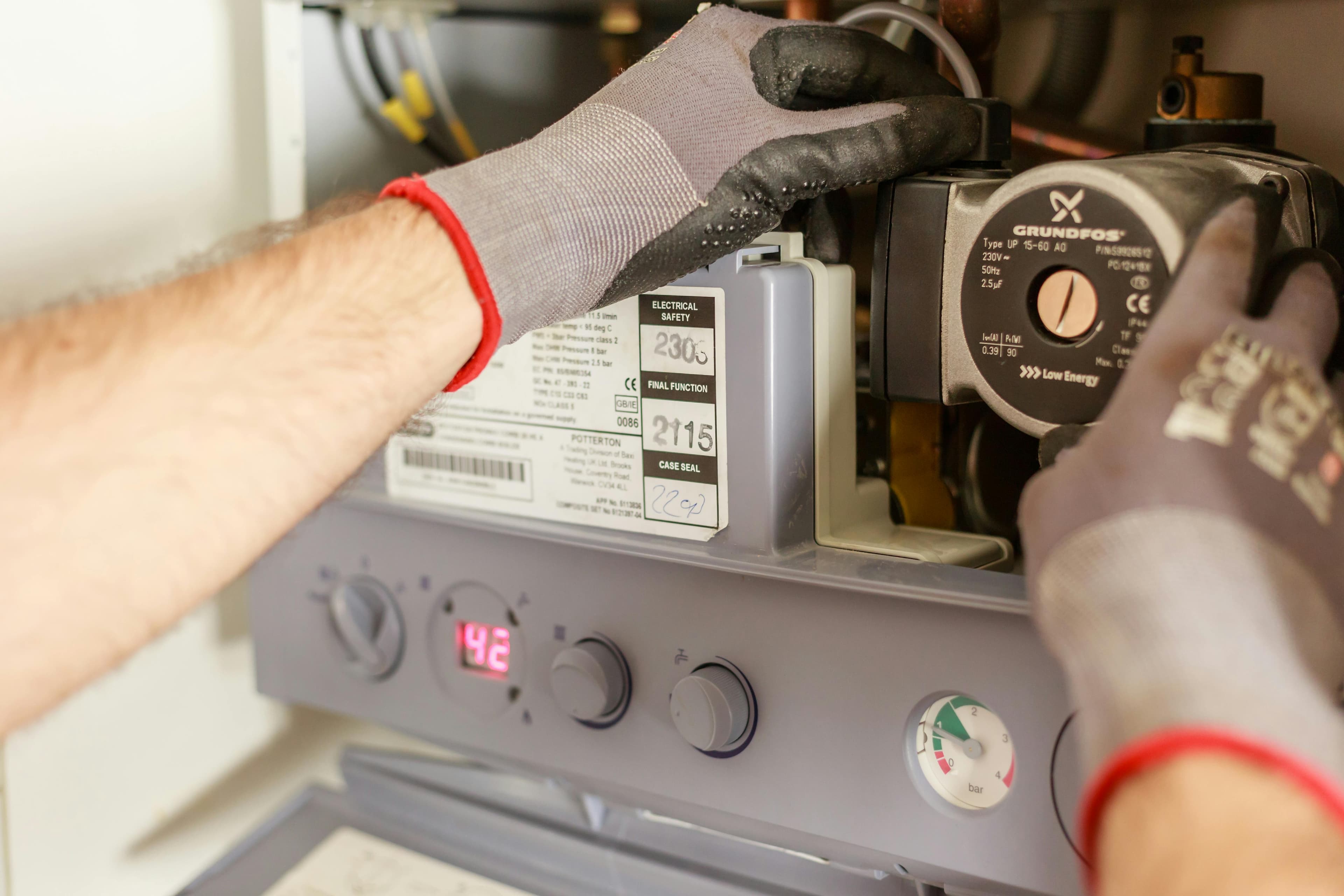
A complete loss of hot water is the most obvious sign of a system failure. For electric systems, a tripped circuit breaker or burnt-out element is a common culprit. For gas units, the pilot light may have gone out, the thermocouple may have failed, or the gas valve may not be opening. Check your switchboard or pilot light first — if neither resolves it, the system needs professional diagnosis.
If water reaches a tepid temperature but won’t get hot, the issue could be a failing thermostat, a partially burnt-out element (in twin-element systems), or sediment buildup insulating the bottom of the tank from the heat source. In gas systems, a partially blocked burner or flue can reduce heating capacity to the point where the water never reaches set temperature.
If showers that used to last 10 minutes now run cold after three, the tank may have significant sediment buildup reducing its effective capacity, one of two elements may have failed (in electric systems), or the dip tube may be broken — allowing cold inlet water to mix with the hot water at the top of the tank instead of being directed to the bottom.
Brown, orange, or rust-coloured water coming only from hot taps (not cold) indicates corrosion inside the storage tank or in the hot water pipework. In storage tanks, this often means the sacrificial anode has been fully consumed and the tank itself is corroding. Left unchecked, the tank will eventually develop a leak and need replacement.
Water pooling beneath a hot water system can come from the temperature-pressure relief (TPR) valve discharging (which may indicate excessive pressure or a faulty valve), a leaking tank due to internal corrosion, or failed pipe connections. Any visible leak warrants prompt attention — a corroded tank can fail catastrophically, releasing hundreds of litres.
Call or submit the form. We’ll ask a couple of questions to diagnose the issue and urgency.
Where possible we provide clear pricing before starting work (no surprise bills).
We complete the work, test operation, and leave the site clean.
We focus on high-intent, everyday plumbing problems for homes and small businesses across Melbourne.
Fast repairs for leaks, blockages, hot water failures, and urgent plumbing issues.
Reliable attendance, documentation, and practical repairs tenants can live with.
Fixes that minimise downtime: toilets, taps, drainage, and urgent faults.
Electric hot water systems rely on one or two immersion elements controlled by thermostats. Elements burn out over time due to limescale buildup and thermal cycling, while thermostats can lose calibration or fail entirely. When an element fails, the system either produces no hot water (single element) or significantly reduced hot water (twin element with one failed).
Gas storage and instantaneous hot water systems use a pilot flame or electronic ignition to light the main burner. A faulty thermocouple, blocked pilot jet, or failed gas valve will prevent the burner from firing. Wind exposure on outdoor units can also repeatedly extinguish the pilot light — a common issue in Melbourne’s weather.
Melbourne’s water contains dissolved minerals that settle as sediment on the bottom of storage tanks over years. This layer of sediment insulates the water from the heat source (element or burner), reduces effective tank capacity, and accelerates corrosion. Regular flushing extends tank life, but most homeowners don’t know it’s needed until problems appear.
Storage tanks contain a sacrificial anode rod — typically magnesium or aluminium — that corrodes preferentially to protect the steel tank. Once the anode is fully consumed (typically 3–5 years depending on water quality), the tank itself begins to corrode. Anode replacement is one of the most cost-effective maintenance tasks but is rarely performed.
Electric storage tanks typically last 8–12 years; gas storage units 10–15 years. Instantaneous (continuous flow) systems can last 15–20 years with servicing. As systems age, multiple components degrade simultaneously — seals perish, valves stick, heat exchangers scale up, and tanks thin. At a certain point, repair costs approach replacement cost and a new system becomes the better investment.
Qualified trades, compliant work, and peace of mind.
We prioritise emergencies and aim for same-day attendance.
Clear communication on cost and scope before we proceed.
We focus on durable fixes, not bandaids.
Every hot water system has a recommended service schedule in its manual. For storage tanks, this typically includes checking the TPR valve annually, inspecting and replacing the sacrificial anode every 3–5 years, and flushing sediment from the tank. Gas systems also need burner and flue inspections. Following the schedule significantly extends system life.
The anode rod is the single most important maintenance item for storage tank longevity. Have a plumber inspect it every 3–5 years — if it’s more than 50% depleted, replace it. A new anode costs a fraction of a new tank and can add years to the system’s life. This is especially important in areas with hard or aggressive water.
Australian standards require stored hot water to be kept at 60°C minimum to prevent Legionella bacteria growth, with a tempering valve reducing delivery temperature to 50°C at bathroom taps. Setting the thermostat too high wastes energy and accelerates tank wear; too low creates a health risk. Check that your settings comply with current regulations.
Uninsulated hot water pipes lose heat as water travels from the unit to the tap, especially in long pipe runs through subfloors or roof spaces. Pipe insulation (foam lagging) is inexpensive, easy to install, and reduces heat loss — meaning you get hotter water at the tap faster and the system works less hard to maintain temperature.
If your hot water system is approaching end of life (8+ years for electric, 10+ for gas), start researching replacement options before it fails. Emergency replacements are more expensive (after-hours labour, limited stock) and leave you without hot water while you wait. A planned upgrade lets you choose the right system type, size, and energy source for your household.
Don't just take our word for it – hear from local homeowners we've helped.
"I recently hired Chambers Plumbing for a serious leak repair from first contact to job completion, their service was outstanding. Their team showed up promptly, treated my home with respect, explained what was wrong in simple terms, and completed the work with precision and care. The cost was fair, and the results exceeded my expectations. I highly recommend Chambers Plumbing to anyone seeking professional, reliable, and trustworthy plumbing services."
Amarion Z.
"Ray and the team at Chambers Plumbing were fantastic to deal with. They were professional, punctual, and explained everything clearly before starting the work. The job was completed quickly and to a very high standard, and the whole process was smooth from start to finish. It’s great to have a reliable local plumber you can trust. Highly recommended."
Roger B.
"I would like to thank the team from Chambers Plumbing for their excellent services. Staff were not only cheerful and polite, but punctual, highly professional and extremely courteous and helpful in explaining what was required. Services were very prompt and efficient, and I was very pleased and impressed with the level of professionalism they displayed. Would not hesitate to recommend Chambers Plumbing to anyone - thanks again guys!"
Olivia C.
* Names have been abbreviated to protect customer privacy. Testimonials reflect genuine customer experiences.
Got questions? We've got answers. Here are the most common questions we receive from our clients.
Often yes — depending on the fault and parts availability. Common repairs like replacing a thermostat, element, or thermocouple can usually be completed in a single visit. If the system needs full replacement, we’ll arrange the fastest possible installation.
As a general rule, if the system is under 8 years old and the fault is a single component (element, thermostat, valve), repair is usually the better option. If the tank is leaking, corroded, or the system is over 10 years old with multiple issues, replacement is typically more cost-effective in the long run.
It depends on your household size, available energy connections, roof space, and budget. Gas continuous flow suits smaller homes and avoids standby losses. Heat pumps offer the lowest running costs but have higher upfront cost. Electric storage is cheapest to install but most expensive to run. We’ll assess your situation and recommend the best fit.
Electric storage tanks typically last 8–12 years, gas storage 10–15 years, and continuous flow (instantaneous) systems 15–20 years with proper servicing. The sacrificial anode, water quality, and whether the system has been maintained all affect lifespan significantly.
A sulphur or ‘rotten egg’ smell in hot water is usually caused by bacteria reacting with the sacrificial anode rod (particularly magnesium anodes) in the tank. It’s not dangerous but is unpleasant. Solutions include flushing the tank, replacing the magnesium anode with an aluminium one, or temporarily raising the temperature to kill the bacteria.
Most storage tanks come with a 5–10 year cylinder warranty and a shorter warranty on components (1–3 years). Warranty conditions typically require the system to be installed by a licensed plumber and serviced according to the manufacturer’s schedule — including anode checks. We can advise on your specific unit’s warranty status.
Costs vary depending on the type and size of system, installation complexity, and whether gas or electrical modifications are needed. As a guide, a like-for-like electric storage replacement is at the lower end, while switching to a heat pump or gas continuous flow involves higher upfront cost but lower running costs. We provide an upfront quote before any work begins.
Yes, but it requires additional work — running a gas line to the unit location (electric to gas) or installing a dedicated circuit (gas to electric). Switching to a heat pump from electric storage is often the simplest upgrade as it uses the same water and electrical connections. We’ll assess your site and explain all options.
The Victorian Energy Upgrades (VEU) program and federal Small-scale Technology Certificates (STCs) can significantly reduce the cost of heat pump and solar hot water installations. Eligibility and rebate amounts change periodically — we can advise on current incentives when quoting a replacement.
Banging, popping, or rumbling sounds from a storage tank usually indicate sediment buildup on the bottom of the tank. As the element or burner heats water trapped beneath the sediment layer, it creates steam bubbles that burst — producing the noise. Flushing the tank can resolve it, but in older systems it may indicate the tank is nearing end of life.
Still have questions? We're here to help!